Harry F. Miller čestně sloužil Spojeným státům od druhé světové války až do války ve Vietnamu. Jeho životní příběh je spojen s vojenskou službou, cestováním, válečnými událostmi i pozdějším vyprávěním o historii mladším generacím.
Harry honorably served the United States from January 1944 - January, 31, 1966.
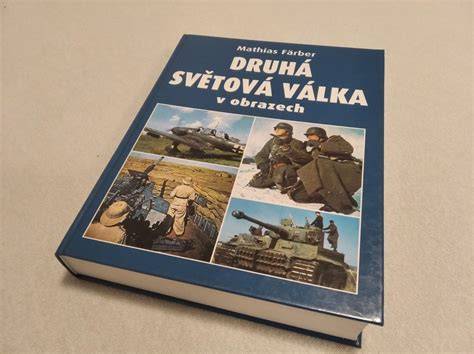
Vojenská služba během druhé světové války
Army in the 740th Tank Battalian as a tank crewman.
He passed through the remains of what is known as the “Battle of the Bulge” in Belgium, and the battalion moved onward.
After taking La Gleize, the battalion crossed the Siegfried Line moving to capture the south side of the city of Cologne.
Harryho válečná cesta vedla přes Belgii a dále směrem k německému městu Kolín nad Rýnem. Jeho jednotka postupovala po dobytí La Gleize přes Siegfriedovu linii k jižní straně města.
Služba v Japonsku a Koreji
Harry served in Japan and Korea during the Korean War, and headed MacArthur’s alert team, which went to Korea in advance of the general whenever he visited the battlefront.
Jeho působení se neomezilo na Evropu. Během korejské války sloužil také v Japonsku a Koreji a vedl pohotovostní tým generála MacArthura, který cestoval do Koreje před generálem při jeho návštěvách fronty.
Technická služba v americkém letectvu
Air Force with a lateral rank, technical sergeant.
He assisted in aircraft accident investigations of lost codes and cyphering equipment.
Po službě v armádě pokračoval v americkém letectvu v hodnosti technického seržanta. Podílel se na vyšetřování leteckých nehod a případů ztráty kódů i šifrovacího vybavení.
Karibská krize a válka ve Vietnamu
When the Cuban Missile Crisis began, he was put on war status working 12- to 24 hours a day.
Za kubánské raketové krize byl zařazen do válečného režimu a pracoval dvanáct až čtyřiadvacet hodin denně.
When the Vietnam War started, Harry helped plan B-52 strikes, using special codes needed for Vietnam.
Po začátku války ve Vietnamu pomáhal plánovat údery bombardérů B-52 a používal speciální kódy určené pro Vietnam.
Harry retired in 1966 with the rank of Senior Master Sergeant (SMSgt E8).
| Období nebo událost | Harryho působení |
|---|---|
| Druhá světová válka | 740th Tank Battalian as a tank crewman |
| Korejská válka | Služba v Japonsku a Koreji |
| Kubánská raketová krize | Válečný režim, práce 12- to 24 hours a day |
| Válka ve Vietnamu | Plánování úderů B-52 |
| Rok 1966 | Důchod v hodnosti Senior Master Sergeant (SMSgt E8) |
Harry Miller a památník druhé světové války
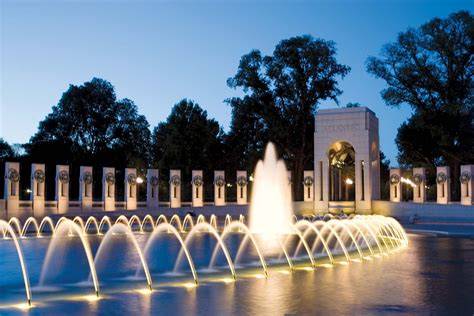
Harry Miller navštívil slavnostní otevření památníku druhé světové války ve Washingtonu. Přijel ze Seattlu se svou manželkou a na slavnostní ceremoniál čekal s velkým očekáváním.
Trust for the National Mall (TNM): What do the memorials on the National Mall mean to you? And what do you hope people take away from visiting them?
Harry Miller (HM): I love it. I was there for the opening ceremony when they first built it. I came in from Seattle with my wife and we just enjoyed it from the day we got there ‘til we left.
And then when my wife died, I moved to DC to the Armed Forces Retirement Home, and any opportunity I get I go down there.
Po smrti své manželky se přestěhoval do Washingtonu do domova Armed Forces Retirement Home. Kdykoli měl příležitost, k památníku se vracel.
Jeho vztah k místu nebyl pouze formální nebo historický. Památník pro něj představoval prostor, kde se mohl setkávat s lidmi, odpovídat na jejich otázky a připomínat zkušenosti své generace.
It is just so many things, the people you talk to want to know about World War II and they ask you a lot of questions, and I just love talking to them.
I find very few people know much about it, and of course having been there and done that it just seems to be strange that they don’t know about it.
I have to just remember they’re not my age, so how would they know the things I know.
Rozhovory se studenty
Harry Miller často hovořil se školními skupinami a mladými návštěvníky památníků. Rozhovory pro něj představovaly způsob, jak předávat osobní zkušenost s druhou světovou válkou lidem, kteří ji znali pouze z učebnic.
But it’s just amazing. I love to talk to these kids especially.
One day I was down there, a giant of a man, a real handsome looking guy, a principal of a school over in Virginia had a history class with him.
He asked me if I would say a few words to the kids.
I said sure I’d be glad to.
They would ask me questions and they would just stand there with their eyes bugged out like they were trying to pull it out of me you know?
And it was such a good feeling knowing that these guys found something that they were interested in that somebody could talk to them about it.
And then I thought anytime I get an opportunity I’m going to take it to talk to people.
And I’ve been doing it ever since.
Jeho vyprávění vzbuzovalo u studentů silný zájem. Harry vnímal jako důležité, že mladí lidé mohli klást otázky přímo člověku, který válečné události skutečně prožil.
Otázka strachu ve válce
TNM: When you speak with the students, the high school students or other school groups at the memorials, what types of questions have you found they ask?
HM: The first thing all kids ask me, “Were you scared?”
And my answer of course is, “Your darn right I was scared, anybody that wasn’t is a liar.”
Because somebody out that has got a gun of some kind that is dying to kill ya.
So, you have to be continually on the defensive.
Na otázku, zda se během války bál, odpovídal přímo a bez zbytečného zlehčování. Strach podle něj patřil k realitě každého vojáka, protože voják musel být neustále v ohrožení a v obraně.
Proč chtěl vstoupit do války
Other things they like to ask is, “Why on earth did you go in when you were so young?”
And I said, “Well because during World War II the people in this country were much different than they are now.
They wanted to pitch in and get the thing done and get it over with.”
You have to remember all through the thirties we learned about Hitler.
Every time you went to a movie, or picked up a newspaper or magazine, they told you about what Hitler was doing.
We just got madder, and madder, and madder, at least I did, and I just wanted to go in so bad and all my friends started going in.
All the guys in my neighborhood were about four years older than me, and when they all went in, I thought I had to go in too.
Harry vysvětloval své rozhodnutí atmosférou třicátých let a společenským vědomím, že je nutné přispět k válečnému úsilí. Zprávy o Hitlerovi se podle jeho vzpomínek objevovaly ve filmech, novinách i časopisech.
Jeho rozhodnutí ovlivnili také přátelé a starší muži z jeho okolí, kteří do armády postupně odcházeli.
I started going to Canada believe it or not, and I had to get a letter from the police saying I had no record and my birth certificate.
And I didn’t have my birth certificate yet because I was scarred how I was going to change the dates on it.
It turns out they didn’t have one recorded for me - I would have it made anyway.
So, I waited until I could go into the American Army.
I’m glad I did.
Vzpomínka na slavnostní otevření
TNM: Do you remember your first visit to the National Mall and specifically the World War II Memorial and what that was like for you?
HM: I sure do.
I went with my wife and we came from Seattle.
We had heard about it and were sending money to it for years, and when they were going to have the dedication ceremony, we made sure we got there.
When we got there I couldn’t believe it.
There were seats all the way from the entrance to the World War II Memorial all the way to the Washington Monument, row after row after row, and they were completely full.
There must have been thousands of people there for that.
And they had great big television screens and speakers so you could see the dignitaries that made the speeches, and they were playing good World War II dance music.
Na slavnosti byly rozmístěny řady sedadel od vstupu k památníku až k Washingtonovu monumentu. Podle Harryho Millera byly všechny zaplněné a účastnily se jí tisíce lidí.
Velké obrazovky a reproduktory návštěvníkům umožňovaly sledovat projevy významných hostů. Součástí programu byla také taneční hudba z období druhé světové války.
Virtual Tour: World War II Memorial
Hudba, tanec a společný zážitek
My wife and I got up and started dancing in the aisles and before long some other people got up.
We were really crazy about dancing anyway; my wife and I danced all the time, and she was a big band singer and I was a big band drummer.
Whenever we got a chance to dance we took it because you never knew when you get another chance to dance.
We had a ball, I loved it.
I fell in love with that memorial the first time I saw it.
Harry Miller a jeho manželka během slavnosti vstali a začali tančit v uličkách. Postupně se k nim přidali další lidé.
Tanec byl součástí jejich společného života. Jeho manželka zpívala v big bandu a Harry hrál na bicí, takže hudba a tanec pro ně měly zvláštní význam.
Jeho vzpomínka na památník proto není spojena jen s architekturou, projevy a historickými nápisy, ale také s osobním a radostným okamžikem, který prožil se svou ženou.
I have a deeper feeling for the World War II Memorial I guess because I grew up there, I grew up in World War II.
Památník jako místo pro poznání historie
To answer your question what do I think of the memorial [World War II Memorial], I hope it stays there forever because there’s a lot to be learned down there, and the speeches and prayers that were said during the war are all on those pillars down there.
So, if a person goes down there and spends the time to read them, they might get an interest into find out something about it.
Harry si přál, aby památník zůstal zachován navždy. Vnímal ho jako místo, kde se mohou návštěvníci dozvědět více o válce prostřednictvím projevů a modliteb uvedených na jednotlivých sloupech.
Podle jeho názoru může pečlivé čtení nápisů vzbudit zájem o další poznávání historie. Památník tak není jen připomínkou padlých a sloužících, ale také podnětem k vlastnímu studiu.
Vyprávění pro veřejnost a mezinárodní zájem
And I’ve been doing it ever since.
I’m happy to say I’ve been on tv I don’t know how many times, Russian tv - two different stations in Russia, France, Korea, Japan, China, I can’t even remember all of them.
And the questions that they ask is what is so astounding to me.
I’m glad I’m able to answer them, and they ask for my opinion I tell them what I think.
Harryho vzpomínky zaujaly nejen návštěvníky památníku a americké studenty, ale také zahraniční média. Objevil se v televizních pořadech v Rusku, Francii, Koreji, Japonsku, Číně a dalších zemích.
Mezinárodní zájem ho překvapoval především otázkami, které mu lidé kladli. Když se ho ptali na názor, odpovídal podle toho, co si skutečně myslel.
Harry Miler jako cestovatel a pamětník
Harryho život lze vnímat jako cestu přes několik kontinentů a historických období. Začal jako tankový voják v Evropě, pokračoval službou v Japonsku a Koreji a později působil v americkém letectvu během významných krizí a válek.
Jeho cestování však nebylo pouze přesunem mezi vojenskými stanovišti. Po odchodu do důchodu cestoval také za vzpomínkami, veřejným vystupováním a setkáními s lidmi, kteří chtěli slyšet osobní svědectví o druhé světové válce.
Jeho návštěva Washingtonu se propojila s dlouhodobým vztahem k památníku, zatímco rozhovory v zahraničních médiích ukázaly, že jeho zkušenosti měly význam i mimo Spojené státy.
Osobní paměť a mezigenerační předávání
Harry Miller si uvědomoval, že mladší lidé nemohou automaticky znát události, které formovaly jeho generaci. Proto považoval rozhovory se studenty za důležitou součást svého pozdějšího života.
Jeho vyprávění spojovalo vojenská fakta s osobními vzpomínkami: se strachem, rozhodnutím narukovat, postupem tankového praporu, prací s citlivými kódy, návštěvou fronty, plánováním leteckých úderů i tancem s manželkou během slavnostního otevření památníku.
To all those who have served, and those who continue to serve, thank you for your service and sacrifice.
The Trust is honored to be able to share some of your stories this Veteran’s Day.
tags: #harry #miler #cestovatel